
Fabricating a custom suspension is one of the most rewarding projects for any off-road enthusiast. Whether you are dialing in a 4 link suspension kit DIY for a rock crawler or upgrading the steering on a mega truck suspension, the goal is always the same: reliability. However, we often see builds fail on the trail not because of bad welding, but because of poor component selection.
Choosing the wrong hardware for your custom control arm fabrication can lead to binding, rapid wear, and catastrophic breakage. The industry solution for these high-stress applications is the 1-1/4" x 12 Rod End (or 1.25 Heim Joint). But simply buying a big joint isn't enough; you need to understand the engineering behind it.
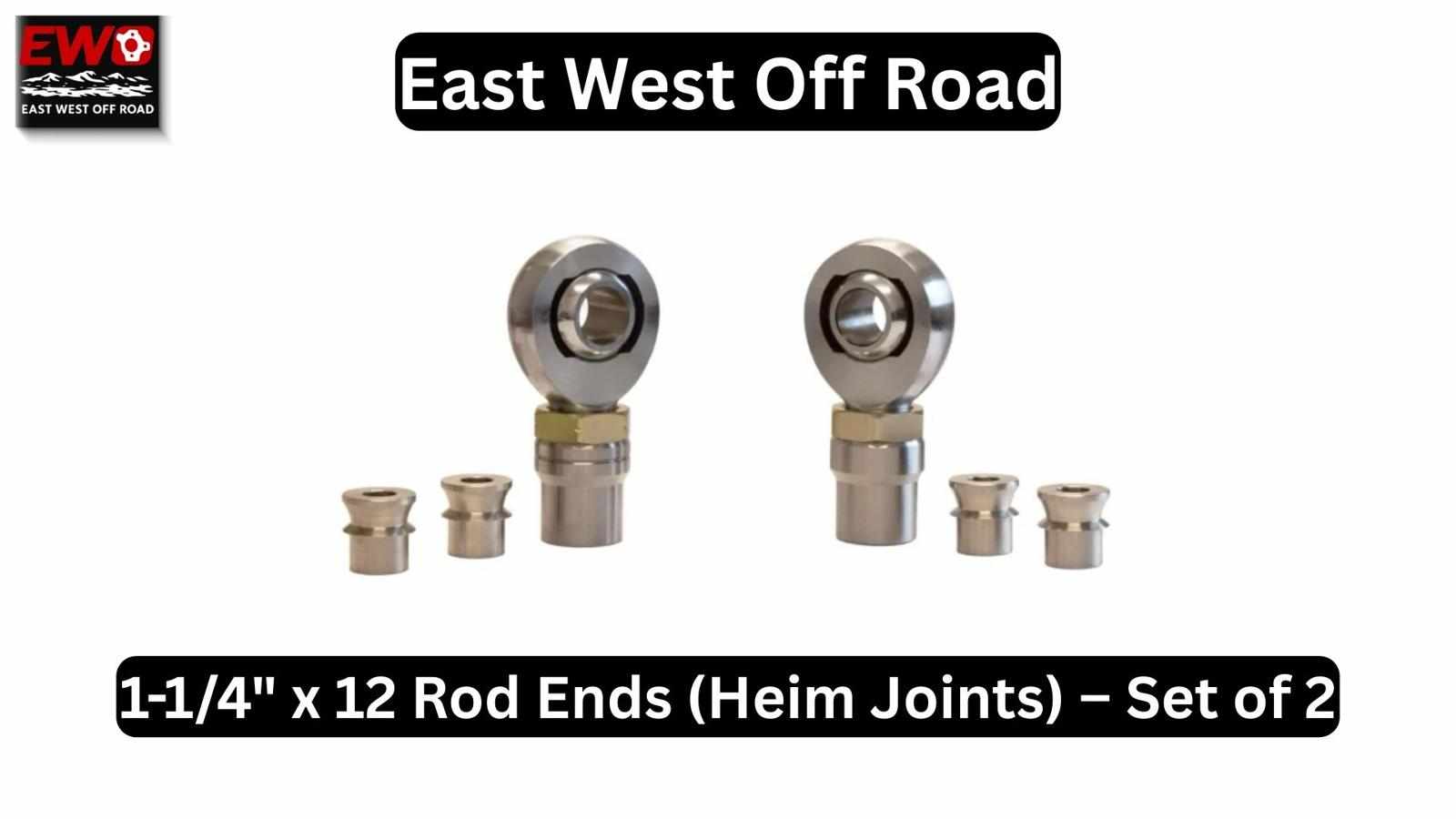
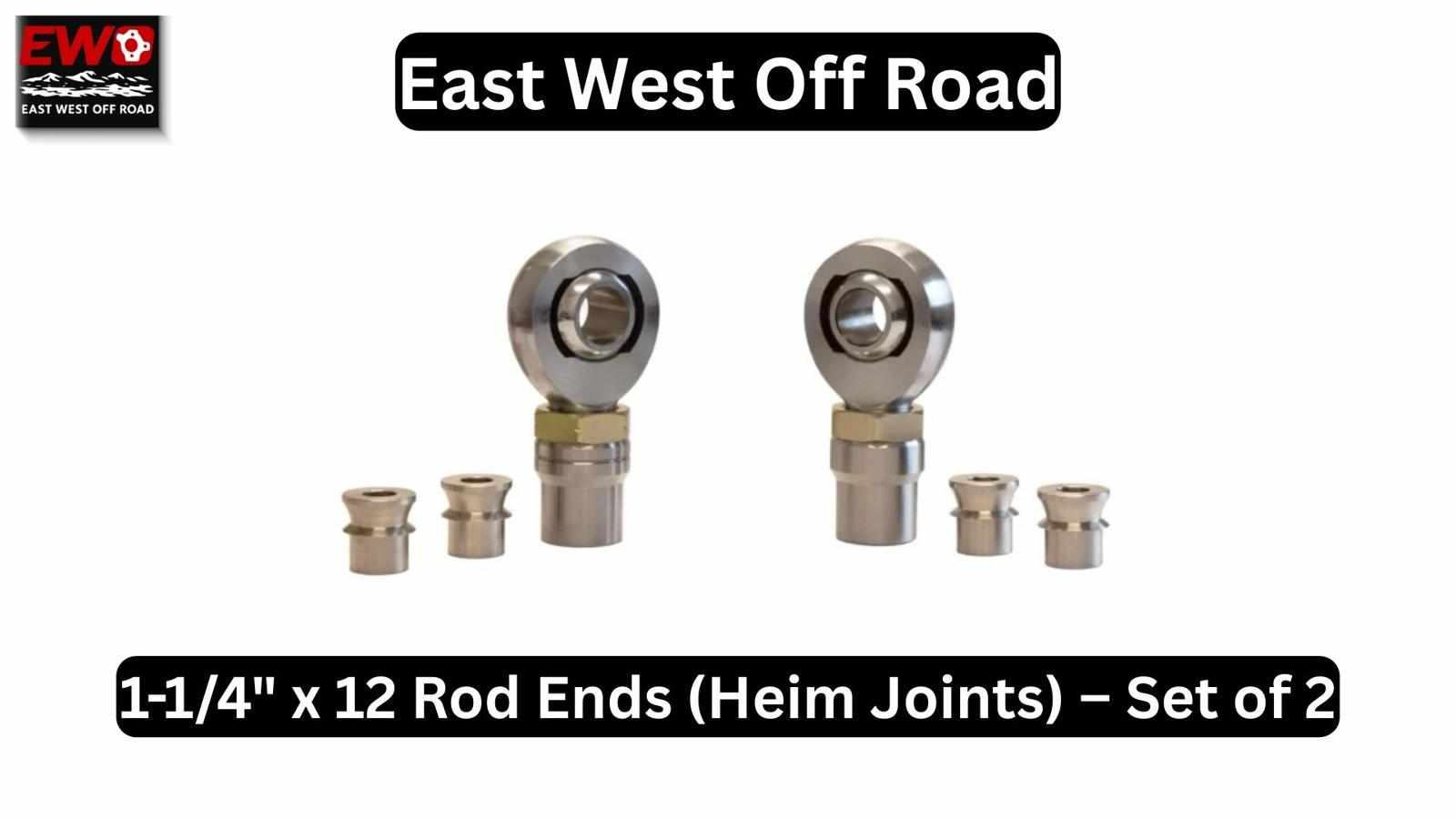
In this guide, we highlight four critical fabrication mistakes and how the (https://www.eastwestoffroad.com/product/1-14%22-x-12-rod-ends-(heim-joints)-set-of-2) helps you build it right the first time.
Mistake #1: Underestimating Shock Loads
Many builders look at the static weight of their vehicle and assume a standard industrial joint is "strong enough." This is a fatal error. In a rock crawler suspension parts list, you must account for shock load—the force generated when a 6,000lb rig slams down onto a rock.
The Solution: 4130 Chromoly Construction
Generic mild steel joints will stretch under these forces. You typically need 4130 Chromoly rod ends. The EWO 1-1/4 rod ends (Item E63001 heim joint) feature a heat treated heim joints body. This thermal process aligns the steel's grain structure, providing the elasticity needed to absorb impacts without deforming.
The Rating: A proper rod end 1.25 shank 1 inch bore should carry a 76000 lb static load heim rating. This radial load capacity rod end creates a safety factor that ensures your 1 ton steering upgrade won't snap when you hit a ledge at speed.
Mistake #2: Ignoring Misalignment (The Bind Factor)
The number one killer of rod ends is "binding." This happens when the suspension travels further than the joint can rotate, causing the body of the heim to crash into the mounting bracket. This will snap even the strongest shank instantly.
The Solution: Stainless Steel Misalignment Spacers
To prevent binding, you must use misalignment spacers. These reduce the 1 inch bore rod end to a bolt size (usually 9/16" or 5/8") and push the body away from the bracket, unlocking high angles of articulation.
Material Selection: Never use zinc-plated spacers for a premium build; they rust and seize. Always specify Stainless steel misalignment spacers. EWO provides stainless high misalignment options including 1"-9/16" Stainless Steel Spacers, 1"-5/8" Stainless Steel Spacers, and 1"-3/4" Stainless Steel Spacers.
Mistake #3: Using the Wrong Liners for Street/Trail Use
If you have ever heard a Jeep clunking down the road, it likely had cheap metal-on-metal joints. For a suspension binding fix that is livable, you need modern liner technology.
The Solution: Teflon Kevlar Liners
The Teflon Kevlar liner rod end found in high-end kits solves the noise and wear issue. By bonding a TEFLON KEVLAR liner (PTFE) between the ball and race, you get a self lubricating rod end.
Low Maintenance: These are maintenance free heim joints. Greasing heim joints with this liner is actually harmful as it attracts grit.
Longevity: The liner acts as a wiper seal, keeping out debris and ensuring quiet rod ends that don't develop slop after a few trail runs.
Mistake #4: Improper Thread Engagement and Locking
Even the best 1.25 Heim Joint Kit will fail if it isn't secured properly to the link.
The Solution: Matched Bungs and Jam Nuts
You must use tube adapters (weld bungs) that match both your tubing and your rod end threads. The 1.5 ID tube adapter is the industry standard for heavy-duty lower links using 2.00" OD tubing.
Weld in bung 1.25-12: Ensure your adapter is machined from 1045 steel for weldability to your DOM tube.
Jam Nut Torque: The 1-1/4-12 Jam Nut keeps the joint from vibrating loose. Loose nuts destroy threads. Use a jam nut wrench or massive pipe wrench to keep jam nuts tight. EWO kits include matching 1-1/4 jam nut left hand and right hand hardware to ensure a perfect fit.
Application Guide: Where to Use These Upgrades
1. Dana 60 & 1-Ton Swaps
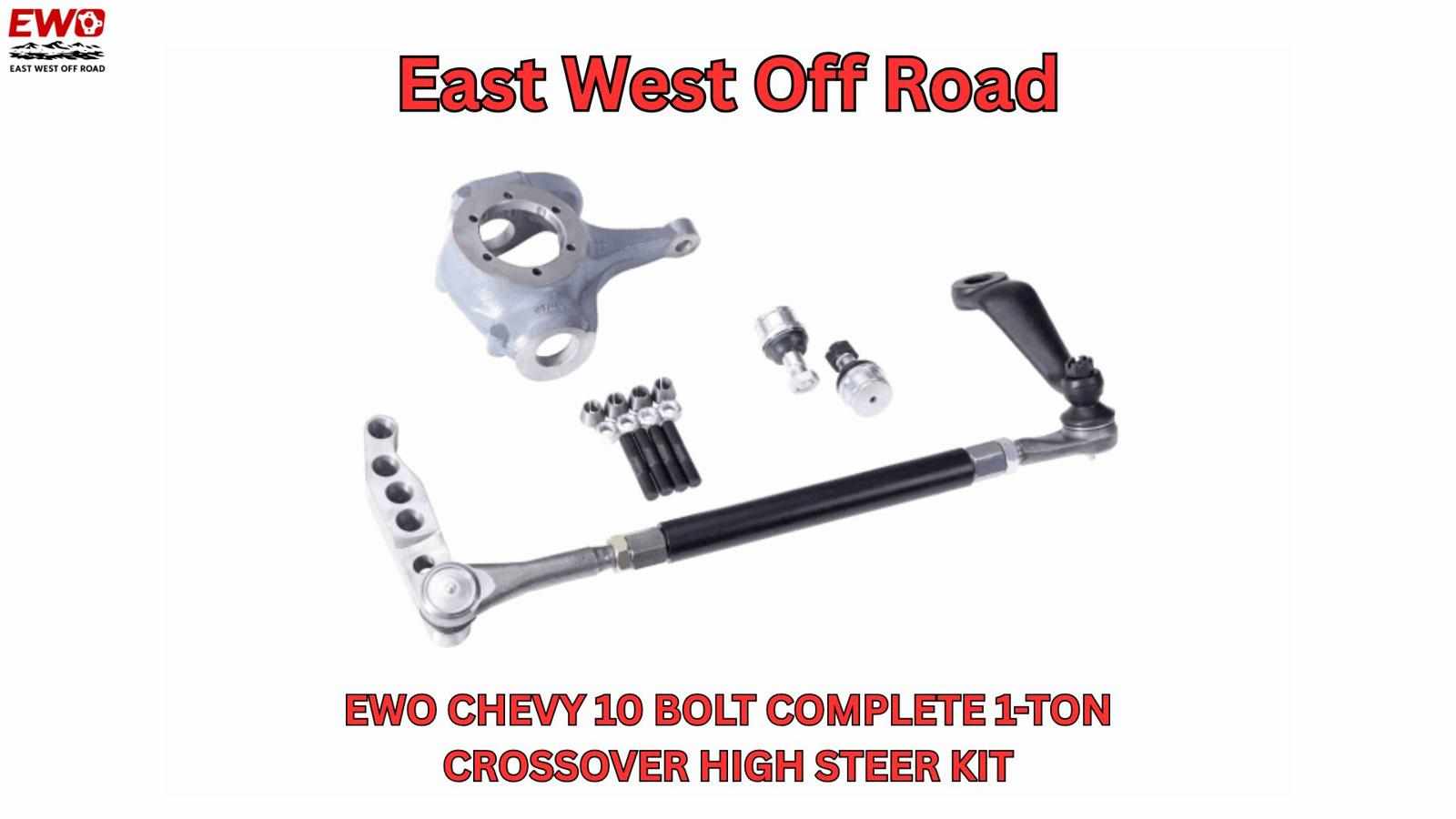
If you are gathering Dana 60 swap parts, stock steering components are useless. A Jeep one ton swap steering kit built with 1-1/4" heims provides the strength needed to turn 40+ inch tires. This is the ultimate tie rod end replacement for durability.
2. Triangulated 4-Link Systems
In a 3 link suspension fabrication or rear 4-link, the lower control arms take the most abuse. Using 1 1/4-12 LH and RH rod ends allows you to fine-tune anti squat adjustment while providing the impact resistance needed for rock bouncing.
Conclusion
Whether you are comparing Barnes 4WD vs EWO, RuffStuff heim joints vs EWO, or TMR Customs lifetime heims, the fundamentals of metallurgy remain the same. The (https://www.eastwestoffroad.com/product/1-14%22-x-12-rod-ends-(heim-joints)-set-of-2) offers the 4130 Chromoly construction, Teflon Kevlar liners, and stainless steel spacers required to avoid common fabrication pitfalls.
Don't compromise your 14 bolt truss link mount or hydraulic steering heims with inferior hardware. Join the EWO ARMY and build with confidence knowing your suspension can handle the abuse.

Write a comment ...